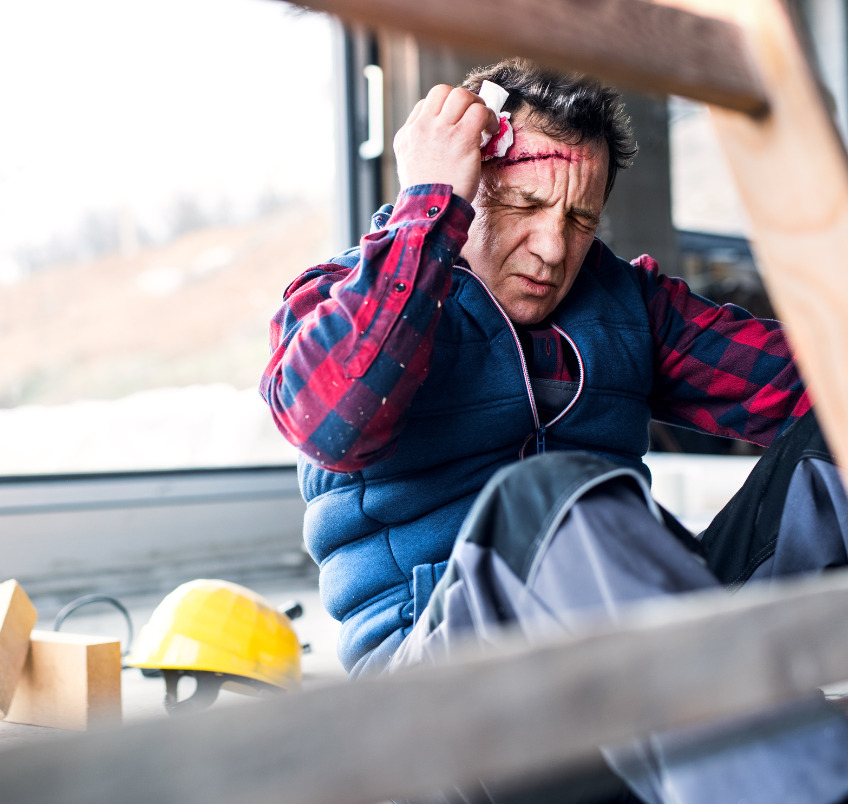
Unsafe working conditions don’t just happen in factories or construction sites. Workplace accidents can exist in offices, restaurants, hospitals, warehouses, and virtually any industry. California’s labor laws and workplace safety standards are among the strongest in the nation, but even with these protections, many workers still face dangerous environments and occupational safety hazards every day.
Knowing what qualifies as an unsafe condition, and what legal protections exist under state laws can help workers stay safe, report unsafe working conditions, and hold employers accountable.
Common Physical Safety Hazards
Physical hazards are often the most visible and immediate threats to worker safety. From malfunctioning machinery to slippery floors, they are responsible for a large portion of workplace injuries.
Unsafe Equipment and Machinery
Workplaces that rely on equipment or machinery must maintain strict safety protocols. Under Cal/OSHA, Title 8 of the California Code of Regulations, and related industry-specific standards, employers are required to ensure all equipment is safe, maintained, and used properly.
Broken or Poorly Maintained Machines
Faulty machinery is a leading cause of injury in industrial, manufacturing, and agricultural industries. When machines aren’t properly serviced or inspected, they can malfunction, which can cause physical harm like crush injuries, cuts, and even fatalities. Employers are legally obligated to maintain machines in safe working condition, perform regular inspections, and remove defective equipment or hazardous materials from service immediately. Even if no one is injured, simply operating unsafe equipment can constitute a safety violation.
Lack of Safety Guards or Emergency Shut-Offs
Many serious injuries occur when machines lack proper guards or emergency stop mechanisms. California law requires machine guards that prevent contact with moving parts, blades, or pinch points. Employers must also train employees on how to use emergency shut-offs to ensure workplace safety, and keep controls accessible at all times.
In California, New York, and Washington, similar rules apply: if a machine lacks protective features or employees are told to bypass safety measures to “speed up” work, the employer could be violating state and federal safety laws.
Dangerous Work Environments
Not all hazards come from machinery. Sometimes, the danger is in the very layout or condition of the workplace.
Slippery Floors, Cluttered Walkways, and Falling Object Risks
Falls, trips, and struck-by accidents are among the most common workplace injuries that violate OSHA regulations, or are reported each year. Employers must keep aisles and walkways clear, ensure spills are cleaned quickly, and objects are stored overhead properly. Warehouses, retail stores, and offices all have risks, yet many employers fail to perform regular safety inspections or respond to employee reports of hazards or imminent danger.
Construction Site Hazards
California’s construction industry is heavily regulated because of its high injury rate. A Cal/OSHA inspection requires scaffolding to meet load-bearing standards, ladders to be inspected regularly, and fall-protection systems to be used for work above certain heights. Workers also have a right to refuse unsafe work and can refuse an order to climb an unstable scaffold, or operate heavy machinery without training, without fear of retaliation.
Under California Labor Code §6311, employees cannot be disciplined for refusing work that violates safety standards. Washington and New York have nearly identical protections.
Exposure to Harmful Substances
Some hazards are invisible, but no less dangerous, and can result in a workers’ compensation claim.
Toxic Chemicals, Asbestos, and Mold
Cal/OSHA’s Hazard Communication Standard (Title 8 §5194) requires employers to inform workers about any hazardous substances they may be exposed to, provide Safety Data Sheets (SDS), and train employees on proper handling.
Exposure to toxic substances like asbestos, lead, mold, or industrial solvents can cause long-term respiratory or neurological damage. Employers who fail to provide proper ventilation or protective gear may face serious penalties under state and federal law.
Failure to Provide Personal Protective Equipment
California law mandates that personal protective equipment (PPE) (gloves, safety glasses, earplugs, helmets, and safety harnesses where applicable) be supplied at no cost to employees. Employers can’t shift PPE costs to employees.
Similarly, New York’s Public Employee Safety and Health (PESH) program and Washington’s Labor & Industries (L&I) division impose the same duty: if an employee needs PPE to perform their job safely, the employer must provide it and ensure it’s used correctly.
Environmental and Health-Related Hazards
Beyond visible dangers, many workplaces violate safety regulations and contain environmental hazards that can cause illness or injury over time.
Extreme Temperatures
California is one of the few states with specific heat illness prevention regulations. Under Title 8 §3395, employers must protect outdoor workers, such as those in agriculture, construction, and delivery services, from heat-related illnesses.
Employers are required to:
- Provide adequate shade when temperatures exceed 80°F
- Supply fresh, cool drinking water close to work areas
- Allow rest breaks to prevent overheating
- Train employees to recognize heat illness symptoms
Failure to do so can lead to serious injury or death, and fines for non-compliance; especially during summer months.
New York and Washington have adopted similar measures. Washington’s L&I mandates indoor and outdoor heat exposure rules, while New York’s Department of Labor enforces worker safety under the HERO Act, which includes heat and air quality protections.
Noise and Lighting Issues
Noise may seem like a nuisance, but it’s a recognized occupational hazard. Prolonged exposure to high decibel levels can cause permanent hearing damage.
Cal/OSHA requires employers to implement a Hearing Conservation Program when exposure reaches 85 decibels (dB) over an 8-hour average. That includes regular testing, hearing protection, and training.
Poor Lighting
Insufficient or harsh lighting can increase the risk of accidents, eye strain, and fatigue. California employers are required to maintain lighting that ensures safety in work areas, hallways, and stairways.
If poor lighting contributes to someone who suffered injuries, the employer may be liable under both workers’ compensation and Cal/OSHA’s general duty clause, which requires every employer to provide a workplace “free from recognized hazards.”
Biological Hazards
Health administration and healthcare workers face unique risks from contact with blood or bodily fluids. California’s Bloodborne Pathogens Standard (§5193) requires employers to develop an Exposure Control Plan, provide free hepatitis B vaccinations, and train employees in safe needle disposal. Failure to follow these steps can lead to severe illness and fines.
Pest Infestations and Unsanitary Conditions
Food service, hospitality, and warehouse workers sometimes face biological hazards like rodent infestations, mold, or contaminated water. Unsanitary conditions not only violate public health laws, but can also breach Cal/OSHA’s sanitation standards.
Workers exposed to unsanitary environments have the right to file complaints with an employment lawyer or their local health department.
Workplace Culture and Compliance Failures
While physical and environmental hazards are visible, cultural hazards like poor training, ignored complaints, or retaliation often make hazardous environments worse.
Lack of Training and Safety Procedures
Employers are legally required to provide adequate safety training, which includes:
- Safety orientation for new hires
- Instruction on handling chemical hazards and operating machinery
- Emergency procedures for fires, earthquakes, or injuries
Many California workplaces skip or minimize safety instruction. In industries like warehousing and construction, untrained workers are among those most likely to be injured.
No Hazard Communication
Employers must maintain a written Hazard Communication Program that outlines all dangerous substances present in the workplace. When employers fail to communicate hazards they may violate California law and expose workers to preventable risks.
Failure to Provide CPR or First Aid Readiness
California law requires trained personnel and accessible first-aid supplies at every worksite. In remote or high-risk industries, employers must have employees certified in CPR and first aid. Neglecting this responsibility can delay medical response and increase liability if an injury becomes fatal due to inadequate emergency planning.
Ignored or Underreported Hazards
Employers Dismissing Complaints
Employees frequently report that their safety concerns are brushed aside. Supervisors might downplay hazards, claiming they’ll “fix it later,” or warn workers not to make a fuss.
Under California Labor Code §6310, as well as under Washington state and New York law, it’s illegal for employers to retaliate against workers who report unsafe conditions. Employees have the right to file confidential complaints or seek legal counsel.
If managers threaten job loss for reporting hazards, that’s retaliation. Employers who interfere with an investigation can face additional penalties and even criminal charges.
Retaliation and Pressure to Work in Unsafe Conditions
Employees sometimes feel pressured to complete work that clearly violates safety rules. California law protects employees who refuse dangerous work or report safety violations. Workers cannot be fired, demoted, or otherwise penalized for prioritizing their safety or the safety of others.
The Severe Consequences of Unsafe Workplaces
Unsafe working conditions can erode trust, productivity, and employee well-being. Thousands of preventable workplace injuries occur each year, simply because employers ignore safety basics.
In the long run, protecting workers is not only a legal requirement but a moral and economic one.
If any employee feels unsafe at work, or feels they were pressured to work in unsafe conditions, they should call Lawyers for Justice, P.C. for a free consultation at (818) JUSTICE. The firm has recovered over $1 billion for individuals.
Attorney advertisement by Arby Aiwazian of Lawyers for Justice, P.C., headquartered at 450 N Brand Blvd, Glendale, CA 91203